

As blockchain and artificial intelligence gain traction across financial markets, the question for the structured products industry is shifting towards their practical applications, potential impact and the value they can deliver. Could they make issuance faster, reduce costs, improve access to investment products or bring greater efficiency to existing workflows? And what could stand in the way of wider adoption?
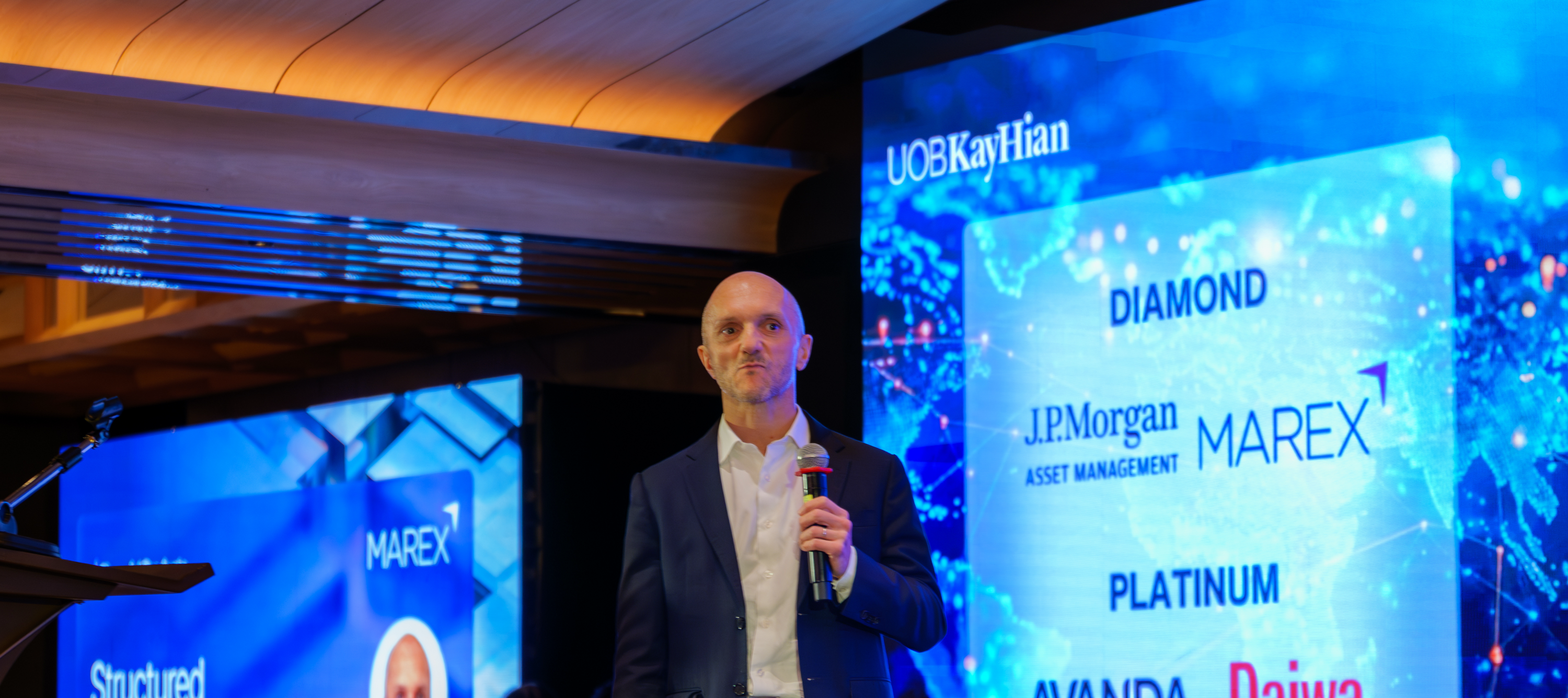
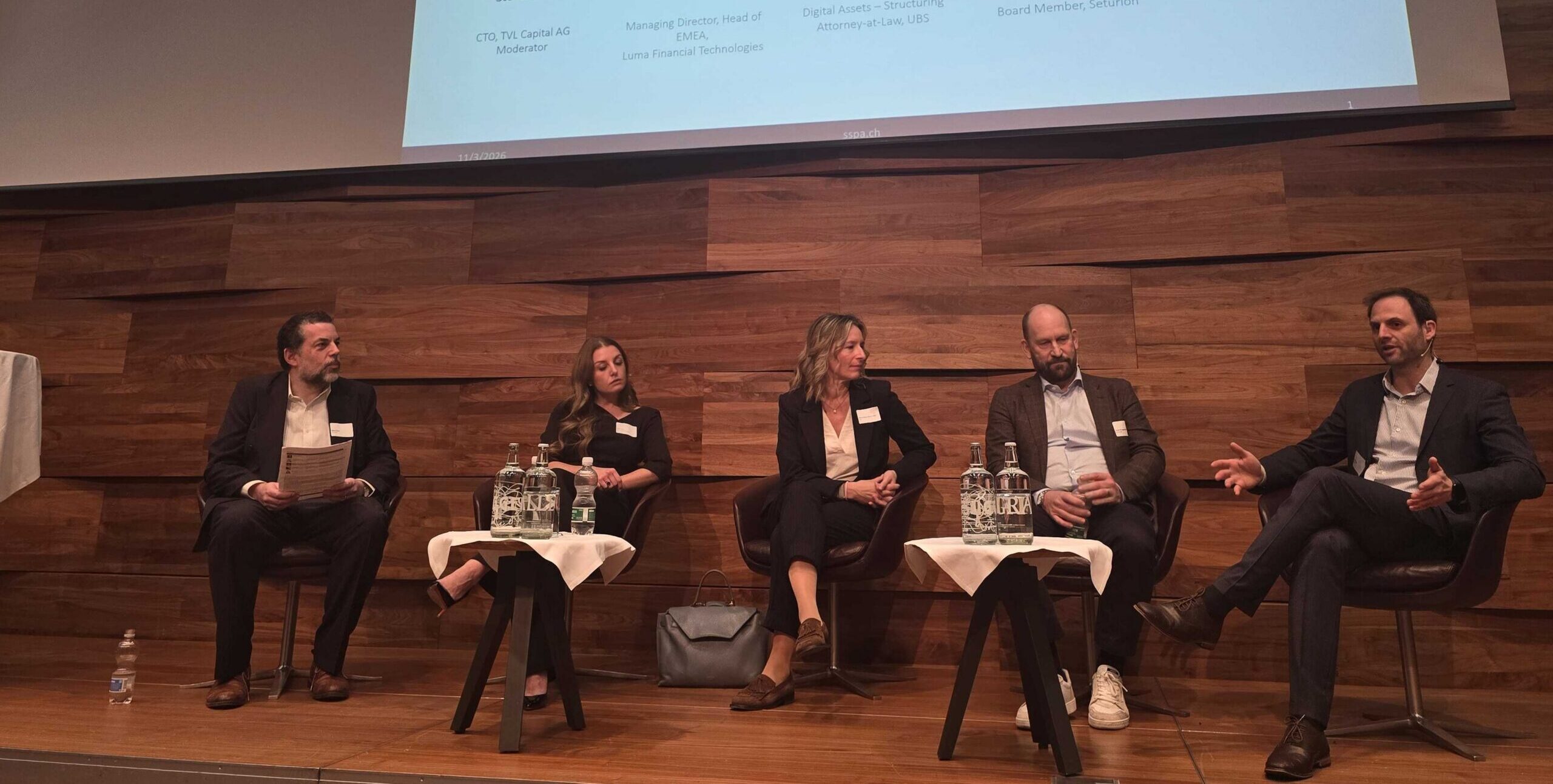
These questions were central to discussions at the SSPA Tec Event in Zurich on November 3, where Ilan Solot, Senior Global Markets Strategist at Marex’s Solutions business, shared his perspectives on the evolving role of both technologies.
Exploring the real-world adoption of blockchain?
For issuers and distributors, blockchain presents opportunities to rethink how structured products are issued and accessed. However, technological innovation alone is unlikely to drive widespread adoption. For wider adoption, blockchain will need to demonstrate measurable improvements in issuance speed, costs and accessibility, while maintaining the security and reliability that market participants require.
As Ilan highlighted, the value of blockchain lies not in the technology itself, but in the outcomes it can deliver, from faster issuance and lower costs to easier access to investment products.
Yet delivering these results requires overcoming significant barriers. Security and confidence in custody arrangements remain essential, while regulatory clarity, operational readiness and connectivity between issuers, platforms and exchanges will be critical to achieving scale.
The implication is that the industry’s progress will depend not only on developing new solutions, but also on building the trust and infrastructure needed to support their adoption.
Where AI could make a difference
Alongside blockchain, AI presents opportunities to improve how structured products are developed and evaluated.
Ilan also explored how AI could support investment idea generation and pricing optimisation, potentially helping teams identify market opportunities and improve efficiency within existing workflows.
Achieving the desired output depends on selecting the right approach for each task. Large language models (LLMs) can support tasks requiring interpretation and idea generation, while deterministic approaches are better suited to delivering consistent, predictable results.
For the structured products industry, this distinction is particularly relevant. The opportunity is not simply to automate more processes, but to apply AI where it can add value while maintaining the reliability and control required in regulated financial markets.
Ultimately, both blockchain and AI present opportunities to improve efficiency, reduce cost and enhance existing processes across the structured product industry, but their long-term impact will depend on how successfully innovation translates into practical improvements for issuers, distributors and investors.