


Coal’s evolving role in global energy and industrial markets was a key topic at the McCloskey Coal Conference of the Americas, where industry experts discussed how financing dynamics, ESG policies and geopolitical risks are shaping the sector.
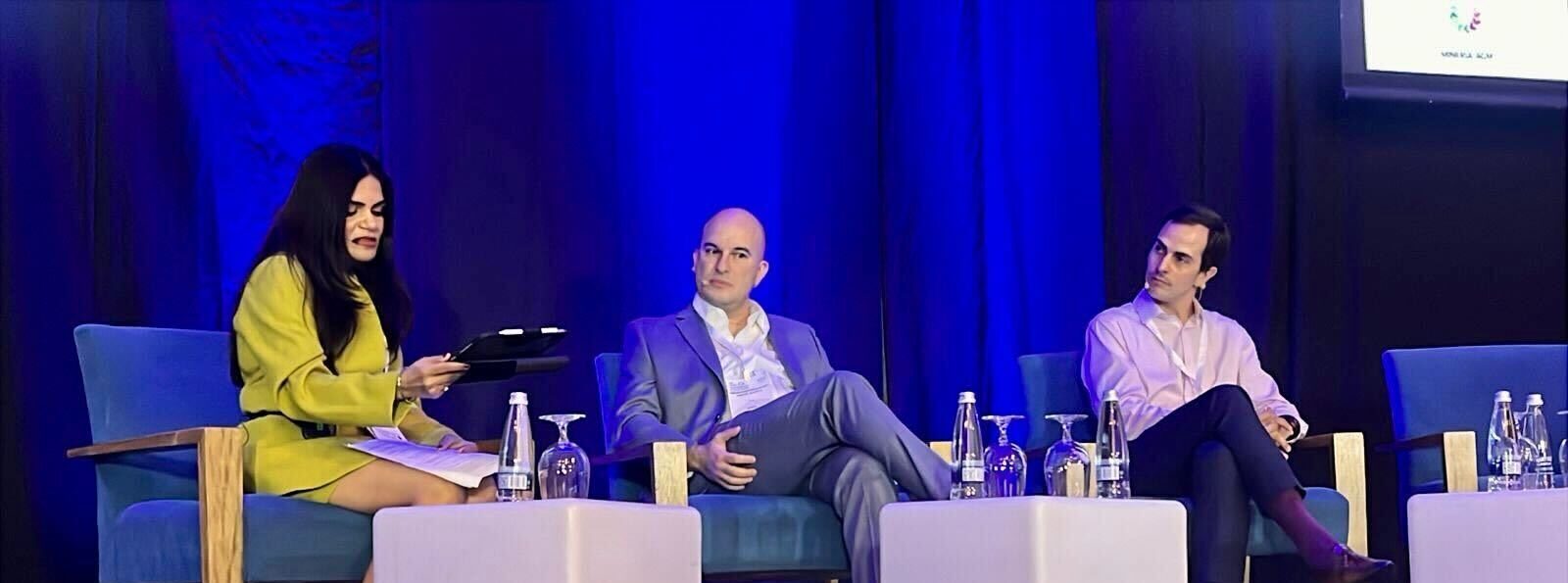
During the session “The Changing Impact of ESG & the Finance of Coal,” Andre Acosta, Director, Commodity Solutions LATAM at Marex Hedging Solutions, joined a panel moderated by Ranjana von Wendland, Associate Director, Global Business Development – Steel Raw Materials, Ores and Alloys at McCloskey by OPIS, alongside Juan Carlos Salazar, Business Development Manager at RTS International.
The discussion took place against a complex market backdrop. Global coal demand reached a record 8.8 billion tonnes in 2024, driven largely by consumption across emerging economies. While trends have shifted across several markets in 2025, the structural drivers behind global coal demand remain largely intact.
A key focus of the panel was the changing landscape for coal financing. While ESG-related policies have limited the availability of capital for coal projects, demand for coal, particularly in power generation and steelmaking, continues to persist.
Andre noted that this dynamic can create a financing premium. With less capital available to support coal projects while demand remains stable, financing costs for the sector can be higher compared to other commodities.
The panel also discussed how regional dynamics and geopolitical developments are influencing the sector. Policy developments in the United States may support short-term activity in thermal coal, while Asia remains the dominant region for long-term demand and investment. At the same time, metallurgical coal and coke continue to play an important role in global steel production.
Geopolitical tensions and ongoing conflicts are also adding complexity to commodity markets, potentially affecting trade flows, insurance costs and financing decisions across the sector.
In this environment, risk management remains critical. Andre highlighted how hedging tools such as swaps and options allow market participants to manage volatility, secure price levels and bring greater predictability to uncertain markets.
As the discussion at McCloskey demonstrated, while the global energy transition continues to evolve, coal and steelmaking materials remain closely tied to broader conversations around energy security, industrial demand and commodity market stability.
Want to discuss how we can help with your coal or other commodities hedging strategy?
Let’s Talk